

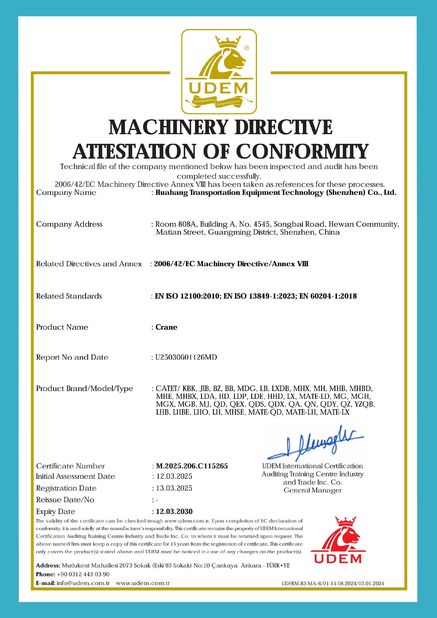
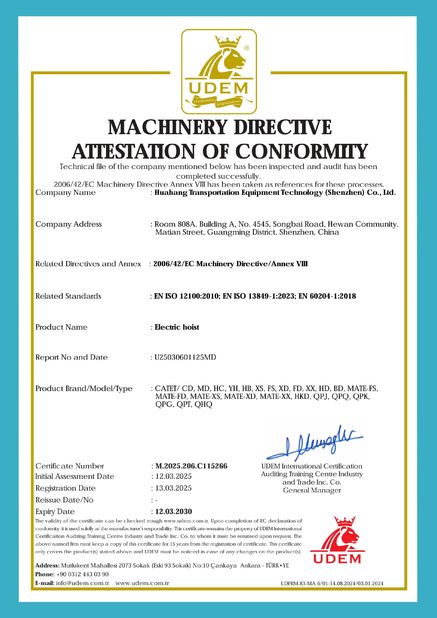

In der schnelllebigen Welt der industriellen Materialbearbeitung, in der Präzision, Flexibilität und Sicherheit von höchster Bedeutung sind, ist dieKBK LeichtkransystemDas von Demag Cranes & Components GmbH, einem weltweit führenden Anbieter von Hebe- und Handlingtechnologien, entwickelte KBK-SystemKranBahn-Konzept(Kran-Laufbahnkonzept) hat seit seiner Gründung vor über 60 Jahren Arbeitsplätze verändert.mit dem KBK-System, das alles von einfachen Werkstattliften bis hin zu komplexen Intralogistiknetzen antreibtDiese modulare Lufttransportlösung zeichnet sich durchLufttransport, genaue Positionierung und ergonomische Handhabung, so daß es für Industriezweige, die leichte, aber robuste Hebekapazitäten benötigen, unerlässlich ist.
Im Mittelpunkt steht dieKBK Leichtkransystemist ein vielseitiger, anpassbarer Rahmen, der für Lasten von 80 kg bis 3,2 t aus vorgefertigten Stahl- oder Aluminium-Schienenbauteilen ausgelegt ist.Moduläres Designermöglicht eine nahtlose Einbindung in bestehende Produktionsinfrastrukturen, ob sie an Decken, an Wänden oder auf dem Boden befestigt sind.Diese Anpassungsfähigkeit optimiert nicht nur den Platz, sondern reduziert auch die Ausfallzeiten, um sicherzustellen, dass die Betriebsabläufe in Umgebungen wie Produktionsanlagen, Lagerhallen und Montagelinien reibungslos ablaufen.Die Skalierbarkeit des KBK-Systems von einzelnen Arbeitsplätzen zu Mehrkrannetzen macht es zu einer zukunftssicheren Investition.
Die Geschichte derKBK LeichtkransystemDemag führte das System vor mehr als 60 Jahren als Antwort auf den wachsenden Bedarf an Leichtbau,flexible Alternativen zu sperrigen traditionellen KränenZunächst konzentrierte sich die KBK auf Stahlprofil-Abschnitte für Aufhängungs-Monorails.Verbesserung der Korrosionsbeständigkeit und Verringerung des Gewichts für empfindliche Anwendungen.
Zu den wichtigsten Meilensteinen zählen die Integration ergonomischer Verbesserungen in den 1990er Jahren, angetrieben durch internationale Studien zur Produktivität am Arbeitsplatz, und die jüngsten Erweiterungen wie das KBK Aluline-Profil A28,die 50% größere Hängedistanzen für eine breitere Abdeckung unterstütztIm Jahr 2021 erweiterte Demag das Baukit mit stärkeren Aufhängungen und verbesserten Trolleys, so dass bis zu 2 Einzelschlittenkonfigurationen möglich sind.000 kg, die bisher Doppelgitter benötigten, wodurch Platz und Kosten eingespart wurdenDas von der Monorail Manufacturer Association zertifizierte System entspricht strengen globalen Standards und spiegelt das Engagement von Demag für kontinuierliche Innovation wider.Diese Entwicklung unterstreicht die Widerstandsfähigkeit des KBK, die sich an die Anforderungen der heutigen Industrie 4.0 anpassen, die durch den industriellen Wiederaufbau nach dem Krieg entstanden sind.
Was setzt dieKBK LeichtkransystemAbgesehen davon ist seineModulbausatz, bestehend aus standardisierten Bauteilen wie kaltgewalzten Stahlprofilen oder Aluminiumprofilen (z. B. KBK II-L, II, II-H für Stahl; Aluline 18, 22 für Aluminium), Trolleys, Endstationen und Heben.Diese Elemente sind über verschraubte oder Steckverbinder verbunden, die eine hohe Steifigkeit, geringe Abbiegung und eine Spannweite von bis zu mehreren Metern ohne zusätzliche Stützen gewährleisten.
Zu den wichtigsten technischen Highlights gehören:
Das System istgeringer Walzwiderstanddurch präzise konstruierte Trolleys ermöglicht eine mühelose manuelle Bewegung, während erhöhte Krabbenrahmen die Hebhöhen in geringen Deckenräumen maximieren.Betrieb bei Temperaturen von -20 °C bis +60 °C und Höhen bis 1500 m, ist für verschiedene Bedingungen gebaut, mit Aluminium-Versionen ideal für Reinräume aufgrund der Korrosionsbeständigkeit.
Die...KBK Leichtkransystembietet ein Spektrum an Konfigurationen, die den spezifischen Bedürfnissen entsprechen:
Die frei stehenden oder an der Decke montierten Optionen ermöglichen eine weitere Anpassung der Aufbauten, wobei die Truss-Designs die Ablenkung bei Arbeitsplatzanwendungen minimieren.Diese Modularität sorgt dafür, dass sich das System mit den Produktionsänderungen weiterentwickelt., von Nachrüstungen bis zu Erweiterungen.
Durchsetzung derKBK LeichtkransystemDie Ergebnisse der Studie zeigen, dass dieergonomische KonstruktionVerringert die Müdigkeit des Bedieners durch manuelle Bewegungen und erhöht die Produktivität um bis zu 30% nach internationalen ergonomischen Studien.Präzise Positionierung bis auf Millimeter minimiert Fehler bei der Montage, während ein reibungsloser Betrieb die Zykluszeiten in Umgebungen mit hohem Volumen verkürzt.
Finanziell ist das SystemLeichtbau(Aluminium-Varianten wiegen 50% weniger als Stahl) senkt den Anspruch auf die Struktur und senkt die Installationskosten, da Verstärkungen vermieden werden.mit standardisierten Teilen, die schnelle Umtauschmöglichkeiten und eine geringere Ausfallzeit bieten. Langfristig bietet es einen ROI durch Skalierbarkeit: Erweitern ohne vollständige Überholungen, Anpassung an das Geschäftswachstum. Umwelteffiziente motorisierte Optionen entsprechen den Nachhaltigkeitszielen,weniger Strom verbrauchen als herkömmliche Krane.
Die...KBK Leichtkransystemin dynamischen Sektoren gedeiht:
Von der Produktion von Büromöbeln bis zur Montage von Gabelstaplern erstreckt sich seine Vielseitigkeit über sich wiederholende Aufgaben bis hin zu automatisierten Abläufen.
Installation derKBK Leichtkransystemist einfach und in der Regel in 2-5 Tagen mit verschraubten Verbindungen und ohne Schweißkonstruktionen abgeschlossen. Zu den wichtigsten Schritten gehört die Überprüfung der Belastungskapazität des Daches (mindestens 150 kg/m2),Gewährleistung einer Freiraumlänge von 3 m um die Schienen für den ZugangDie Stromschalter müssen die Schaltkreise isolieren und die Trolleys auf Null-Negativ-Raddruck unter Last überprüfen.
Die Wartung umfasst tägliche Sichtprüfungen (z. B. Schraubendichte, Kabelintegrität) und vierteljährliche Inspektionen durch zertifizierte Techniker, wobei der Schwerpunkt auf Schmierung und Pufferwechsel liegt.Die Aufzeichnungen sorgen für die Einhaltung, mit modularen Teilen, die die Reparaturzeiten minimieren.
Die Sicherheit ist eingebettet:Überlastschutz, Notstopp, Schwankungssicherung und KollisionsvermeidungVerhinderung von Unfällen. Betreiber (18+ Jahre, ausgebildet) müssen Lastgrenzwerte bestätigen, Anomalien stoppen und Abstände wahren. In trockenen, sauberen Räumen (-20°C bis +60°C) entspricht es den ISO- und OSHA-Normen,Verringerung des Verletzungsrisikos um 40% durch Ergonomie.
Die...KBK LeichtkransystemDas Projekt ist ein Beispiel für technische Exzellenz, die Modularität, Präzision und Sicherheit miteinander verbindet, um die Materialbearbeitung zu verbessern.Es liefert eine zuverlässige Leistung, die mit Innovation skaliert wirdFür Anlagen, die ihre Produktivität ohne Kompromisse steigern wollen, ist KBK nicht nur eine Ausrüstung, sondern ein strategischer Partner.Dieses System wird den Betrieb weiterhin auf neue Höhen heben.Für maßgeschneiderte Beratungen steht das Netzwerk der zertifizierten Installateure von Demag bereit, Lösungen weltweit einzusetzen.
Ansprechpartner: Mr. kalai
Telefon: +8618790521666
Faxen: 86-755-23343104


 German


